A Beginner's Guide to Spring Green Teas
Every spring, the tea world holds anticipates the first tender leaves of the season. For tea enthusiasts and beginners alike, the Spring green tea harvest is an incredibly exciting time. The fresh batches of Longjing from China, Shincha from Japan, and Sejak from Korea have finally started rolling in.
If you are new to the world of specialty tea, navigating names, harvest dates, and brewing methods is definitely overwhelming. This guide is designed to a quick breakdown of spring green teas.
Why is "Spring Tea" Such a Big Deal?
During the cold winter months, tea plants go dormant. Instead of growing actively, they slowly store up nutrients and amino acids (especially L-theanine) in their roots. This is also why winter harvests are less desireable. But when the weather warms in early spring, the tea plant pushes all of those stored nutrients into the very first buds and leaves of the season.
This phenomenon, often referred to as the "First Flush," results in green teas that are incredibly sweet, rich in umami, and lack the harsh astringency you might associate with generic, mass-produced green tea.
! Because these teas rely on freshness, try to buy your spring green teas as close to the harvest date as possible, and remember to store them in a cool, dark, and airtight container (or even your fridge, once sealed properly!).
The 2026 Harvest Timeline & Key Terms
The exact timing of the harvest changes every year depending on the weather. In 2026, warm weather across southern Asia caused some early sprouting in February, but the major prized teas were harvested in March and April.
Here are a few key terms to know as you browse for the 2026 harvest:
1. Pre-Qingming (Mingqian) – China
In China, the most prized green teas are picked before the Qingming Festival (Tomb-Sweeping Day), which typically falls around April 4th or 5th.
- Taste: Teas picked during this window are tiny, delicate, and incredibly sweet.
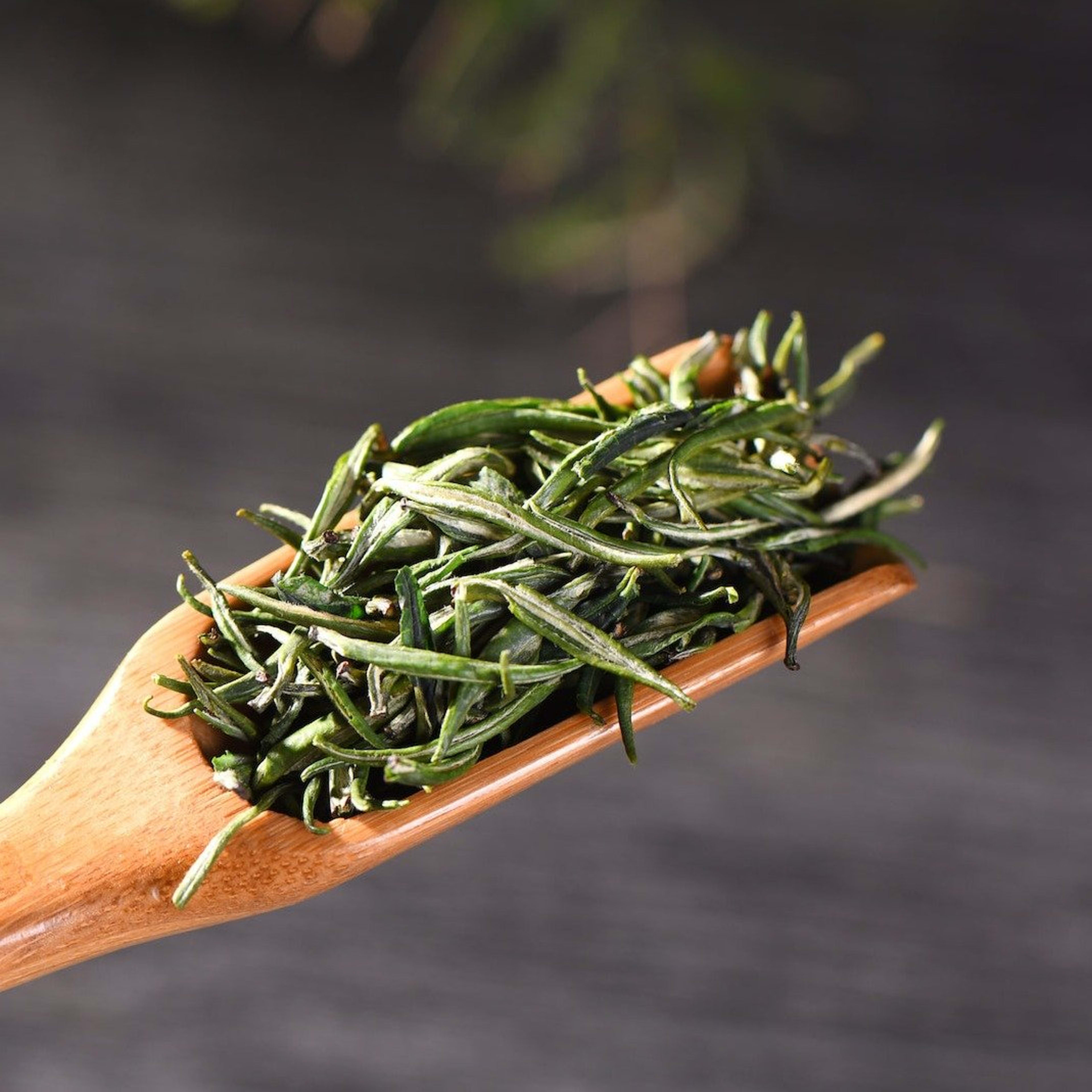
- Examples: Longjing (English name: Dragon Well) with its chestnut, pan-fired sweetness, and Bi Luo Chun (English name: Green Snail Spring) known for its floral, downy-bud character.
2. Shincha / Ichibancha – Japan
Japan's first harvest of the year is known as Shincha ("new tea") or Ichibancha ("first tea"). This harvest typically starts in late April and continues through May.
- Taste: Vibrant, neon green, oceanic, and bursting with savory umami flavors.
- Teas We Love: You can't go wrong exploring deeply shaded Japanese greens. I love these for the super brothy-umami-freshness- Look for a spring 2026 Gyokuro.
3. Sejak – Korea
South Korea also produces fantastic green teas. Teas are categorized strictly by when they are picked. Sejak is the second picking (usually late April to early May) and is considered the "sweet spot" for a balance of delicate spring flavor and robust structure. I have less experience with these, so I can't recommend a specific type or vendor.
Brewing Your First Spring Green Tea
Spring green teas are delicate. The fastest way to ruin a beautiful 2026 Longjing or Shincha is by using boiling water!
The Golden Rule for Green Tea is to Lower your water temperature.
Here is a good starting point for beginners:
- Water Temperature: Use water that is around 70°C to 80°C (160°F to 175°F). If you don't have a temperature-control kettle, bring the water to a boil, then let it sit with the lid off for about 5–8 minutes.
- Tea to Water Ratio: Use roughly 3–4 grams of tea leaves for every 100ml of water.
- Vessel: A simple porcelain Gaiwan, a glass teapot, or even a basic glass cup (my preferred method) work beautifully. Glass allows you to watch the young leaves unfurl in the water and prevents over steeping (because heat leaves quickly).
- Steep Time: Keep it short! Your first steep should be about 30 to 45 seconds to saturate the leaves. For your second steep, cut the time down to 20 seconds.
What to Look For in Your Cup
As you sip, let the tea coat your mouth. Note the initial aroma—is it like freshly cut grass, toasted nuts, or sea breeze? Pay attention to the huigan (the returning sweetness) that lingers in the back of your throat long after you've swallowed.
I'm super excited for spring teas this year. Personally, I have picked up the Longjing Superior and the Gan Lu Superior from Nannuoshan. I will likely get some more soon rather than later. Happy steeping!